

What Is Forex?
Forex stands for foreign exchange. It is the global marketplace where people, businesses, banks, and institutions exchange one currency for another.
Currency Pairs/Buying & Selling
1. Currency pairs
Forex is traded in pairs, such as EUR/USD, GBP/USD, and USD/JPY. The first currency is the base currency; the second is the quote currency.
2. Buying and selling
Buy (long): You expect the price to rise.
Sell (short): You expect the price to fall.


Pips & Price Movement
What is a Pip?
A pip is a standard unit used to measure price movement in many forex pairs. For most pairs, one pip is 0.0001; for many yen pairs, it is 0.01.
Lot Size , Bid Ask , Spread
A lot size is the amount of currency you control in a trade. It determines how much money you make or lose for every pip the market moves.
4 Main Lot Sizes
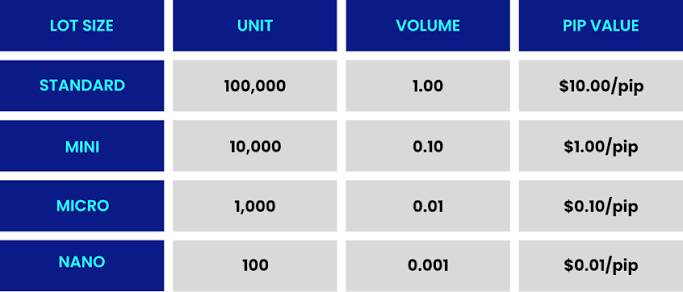
Example: You enter a EUR/USD trade with a 0.10 lot and the market moves 20 pips in your favor.
20 pips × $1 per pip = $20 profit, before costs.
If the market moves 20 pips against you, that is approximately a $20 loss.
Bid Ask Price
Bid = the price buyers are willing to pay.
Ask = the price sellers are willing to accept.
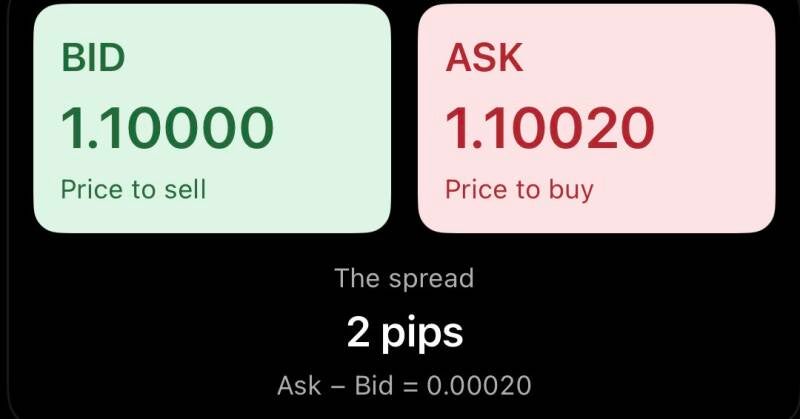
In trading, your broker displays both prices, and the difference between them is called the spread.
How does it work when you enter a trade?

When you BUY (go long)
You generally enter at the ASK price and exit by selling at the BID price.

When you SELL (go short)
You generally enter at the BID price and exit by buying back at the ASK price.
Spread
The spread is the gap between the bid and ask prices. It's a trading cost.
For example, if EUR/USD shows:
Bid: 1.10000
Ask: 1.10020
Spread: 2 pips
When you enter a trade, you generally start with a small unrealized loss reflecting the spread, assuming no other price movement or costs.
A smaller spread generally means a lower entry cost. Spreads can widen during news events, low liquidity, and volatile market conditions.
Leverage & Margin
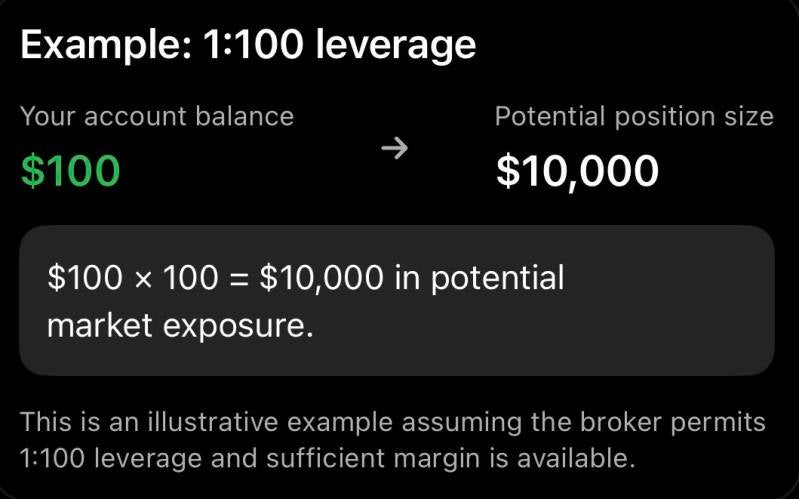
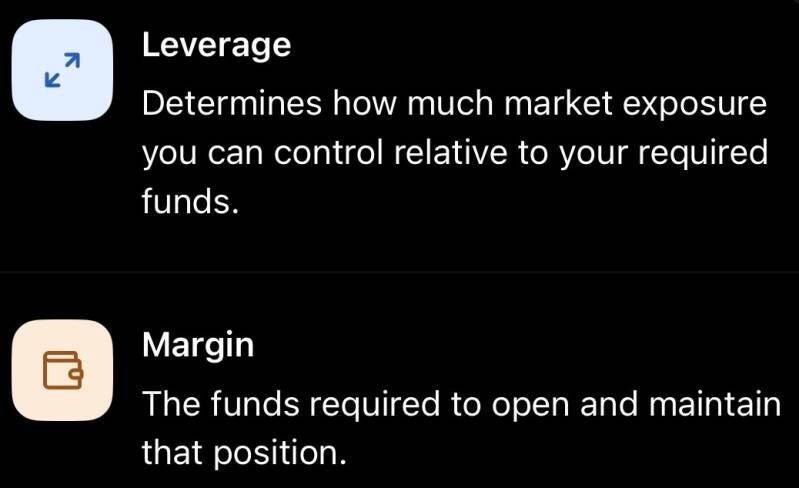
Leverage allows you to control a larger trading position with a smaller amount of your own money.
Think of it like this: your broker provides buying power, allowing you to open a position larger than your account balance. This magnifies both potential profits and potential losses.
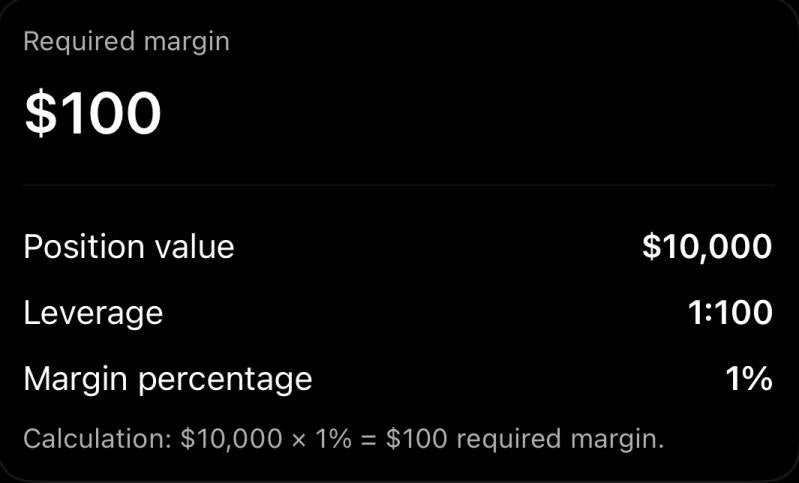
Margin is the money your broker requires you to set aside to open and maintain a trade.
Think of margin as a deposit used to support your position. It is not an extra fee, and it is not the maximum amount you can lose.
For example, if you open a $10,000 position using 1:100 leverage:
Forex Trading Sessions
The Four Major Forex Sessions:(us central)

1. Sydney session
4:00 PM – 1:00 AM CT
Often quieter than London or New York. Traders may monitor early ranges and developing support and resistance.

2. Tokyo session
6:00 PM – 3:00 AM CT
Often called the Asian session. Watch for range formation, liquidity around Asian highs and lows, and moves in yen pairs.

3. London session
(major liquidity window)
2:00 AM – 11:00 AM CT
Trading activity often increases. Look for Asian-session high or low sweeps, displacement, and potential FVG entries.

4. New York session
(major liquidity window)
7:00 AM – 4:00 PM CT
Often active around U.S. economic releases and the London overlap. Indices and gold can also see significant movement.
The Most Important Overlap
London + New York overlap
7:00 AM – 11:00 AM CT
Typical overlap during much of the year; seasonal clock changes can shift the window.
This period often has strong activity because European and U.S. traders are active simultaneously.
Create Your Own Website With Webador